Published: Aug 2024
Type: Paid Media, eCommerce
Category: User Experience, Paid Search, Paid Social, Paid Shopping

The Impact of Product Availability on Conversion Rate + How Paid Media Strategies Can Minimise Impact
Online conversion rates can vary due to numerous factors, such as product availability and sizing, seasonal trends, and competitor pricing strategies.
To combat declines in conversion rates, implementing effective paid media strategies is crucial. These strategies include continuously testing and optimising landing pages, utilising detailed first-party audience data for precise targeting, refining the conversion funnel to enhance user experience, and crafting compelling and relevant creative content.
The goal of these tactics is to boost engagement, reduce friction in the buying process, and maximise the impact of marketing efforts despite external fluctuations. By addressing these common challenges strategically, businesses can maintain or even increase their online conversion rates and achieve sustainable growth in a dynamic digital marketing landscape.
The importance of accurate product availability in conversion rate optimisation is often underestimated but is crucial. As an ecommerce store owner or marketer, it's vital to understand that stockouts, overstocks, and inaccurate inventory levels can significantly impact your conversion rate. If a customer is ready to buy but finds the product unavailable, they may feel frustrated and choose to shop elsewhere. This results in a lost sale, a reduced conversion rate, and possibly the loss of trust from customers.
Key considerations for product availability
From the data, it's evident that when stock availability falls to 10%, the conversion rate achieved is half of what it is when stock availability is at 60% (Bidnamic, 2024).
However, a key factor that would apply to most retailers from this data is that conversion rate seemingly drops by around -30% with availability falling from 100% to 75%. Products going out of stock is common across the industry, however, how retailers respond to this issue is key.

In stock but niche sizing
In online retail, the most popular variants (such as medium and large sizes for men’s fashion retailers) often sell out first. This is especially true during seasonal or flash promotions. Potential customers might arrive on a product page only to find that their desired size (or other variants) is out of stock, preventing them from making a purchase. This can lead to a significant drop in the conversion rate, even if only one or two variants are out of stock.
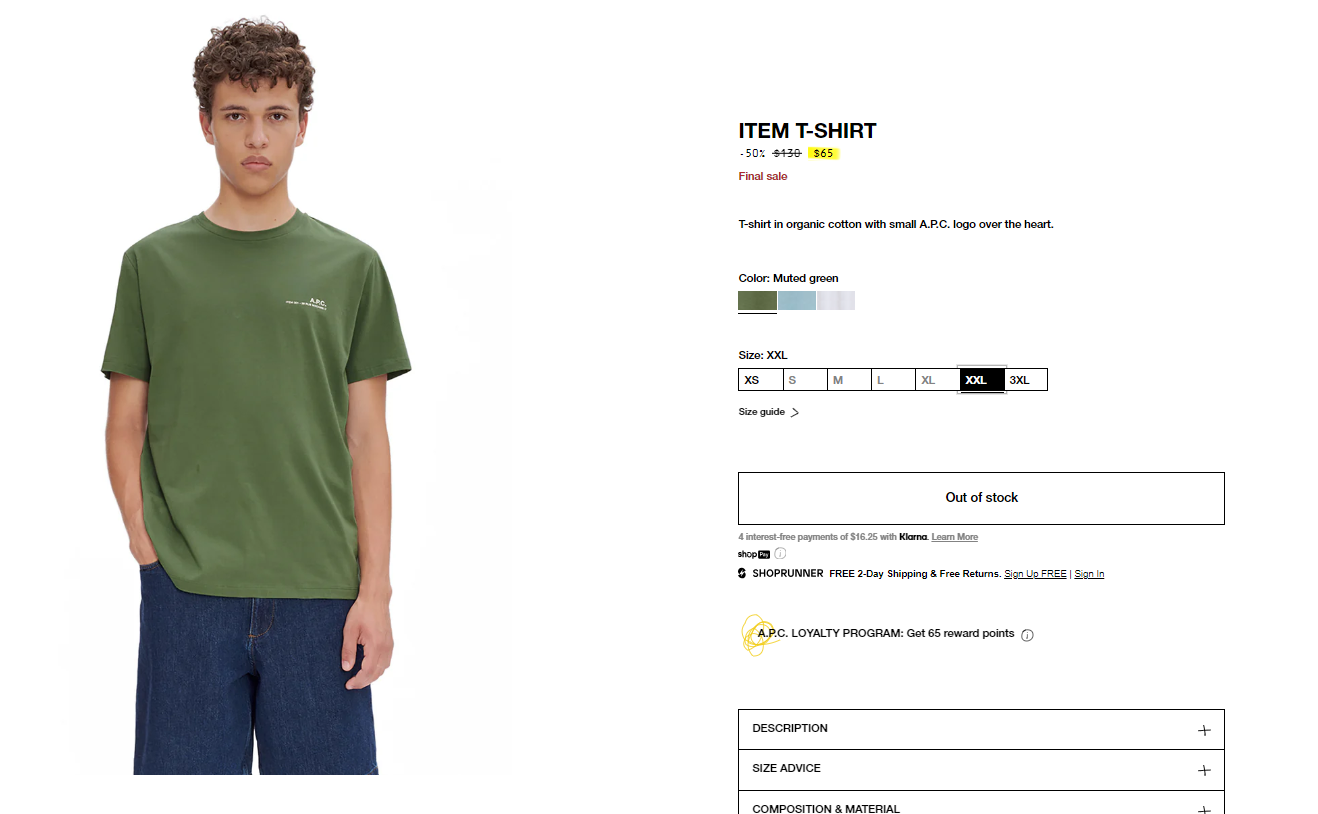
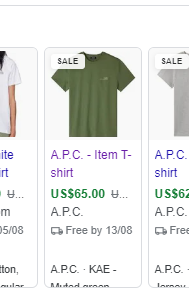
These issues affect the entire marketing funnel, but are especially pronounced in paid as most product discovery processes are funnelled through Google Shopping. Visibility and strong stock are key for successful growth. As potential customers visit your product page only to find their chosen size or colour variant no longer in stock, it is very likely that not only conversion rate for the parent SKU decreases, but also ROAS. As a consequence, profitability and headroom to increase investment also becomes challenging.

Longer term impact of stock issues on ‘core’ products
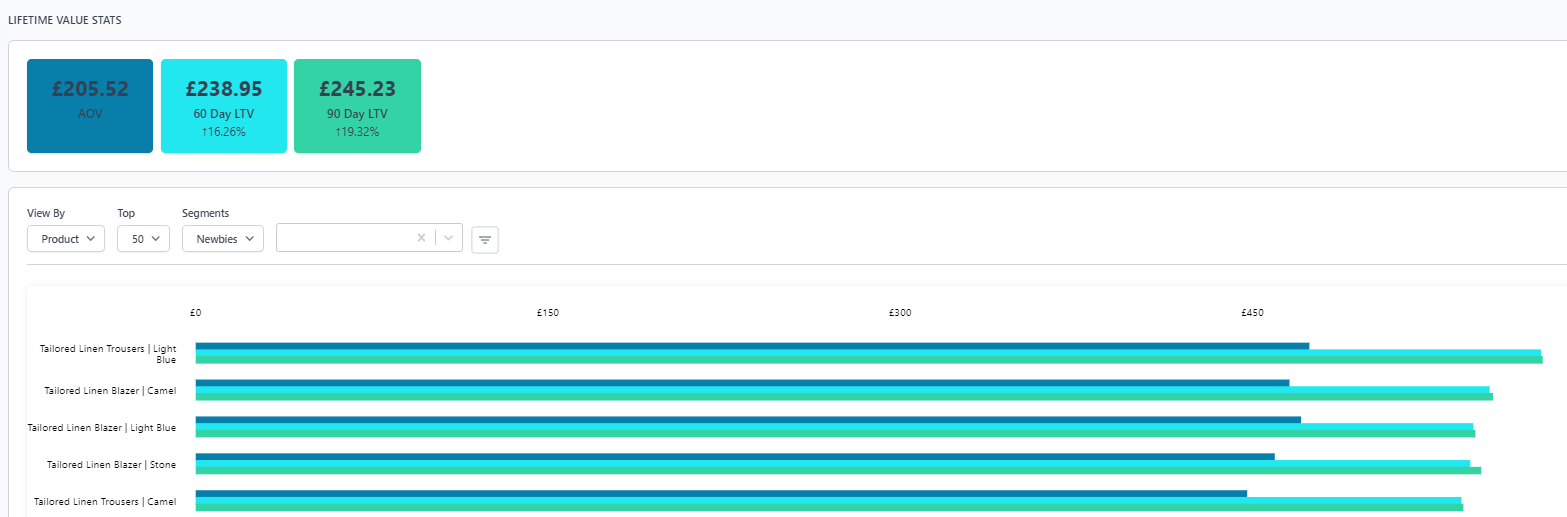
Inaccurate, or lack of, product availability can also hurt performance in the long-run. Products that result in the highest lifetime value or repeat purchase rate are a key consideration across the industry. Traditionally ‘staple’ products that serve to introduce users to a brand through core styles, then lead to an increased purchase rate moving forward. Without these products being readily available for new customers the consequences for revenue may be considerably more severe than the initial loss in a single sale.
Investing in omnichannel to resolve supply chain issues
Many retailers are now adopting omnichannel strategies to address issues ranging from supply chain management to online conversion rates.
Omnichannel strategies that incorporate real-time inventory management enhance the shopping experience by ensuring product availability. Customers can check online to see if an item is in stock at a nearby store, increasing the likelihood of a visit and purchase. Statistics show that real-time inventory visibility can improve conversion rates by up to 15%, as it reduces the frustration of encountering out-of-stock items. Ensuring that the right technologies are in place to support your omnichannel strategy is essential.
ERP systems integrate various business processes, including inventory management, order processing, and financial management. Retail omnichannel statistics reveal that 78% of retailers use ERP systems (Oracle Netsuite, 2024) to ensure seamless operations across channels. By centralising data and automating processes, ERP systems help retailers maintain real-time visibility into their inventory and streamline their supply chain operations. Examples of such systems include Netsuite, Oracle, and Syspro.
How can paid media activity support product availability issues?
Paid media can address product availability issues by effectively communicating stock levels and managing customer expectations.
Dynamic ads
One key method is using dynamic ads that automatically update to reflect real-time inventory. This ensures that customers see advertisements for products currently in stock, reducing frustration from encountering unavailable items. Additionally, when specific products or variants are out of stock, paid media can highlight similar available options, redirecting potential buyers and mitigating lost sales.
Sizing exclusion rules
A key response to addressing stock and sizing discrepancies within the paid media funnel is utilising dynamic rules in shopping feeds to save budget otherwise going to traffic unlikely to purchase.
Using feed management tools such as Shoptimised, DataFeedWatch and Feedoptimise can help identify and remove pain points in the user journey:
- Using API to pull in business data (stock per SKU) then allocating rules to prevent PLAs showing that only have rarely bought sizing (such as, XXXS with 1 in stock).
- Excluding products with only 1 XXS in stock, or pushing high stock and sizing products using dynamic custom labelling is an example of best practice here.
Local Inventory Ads (LIAs)
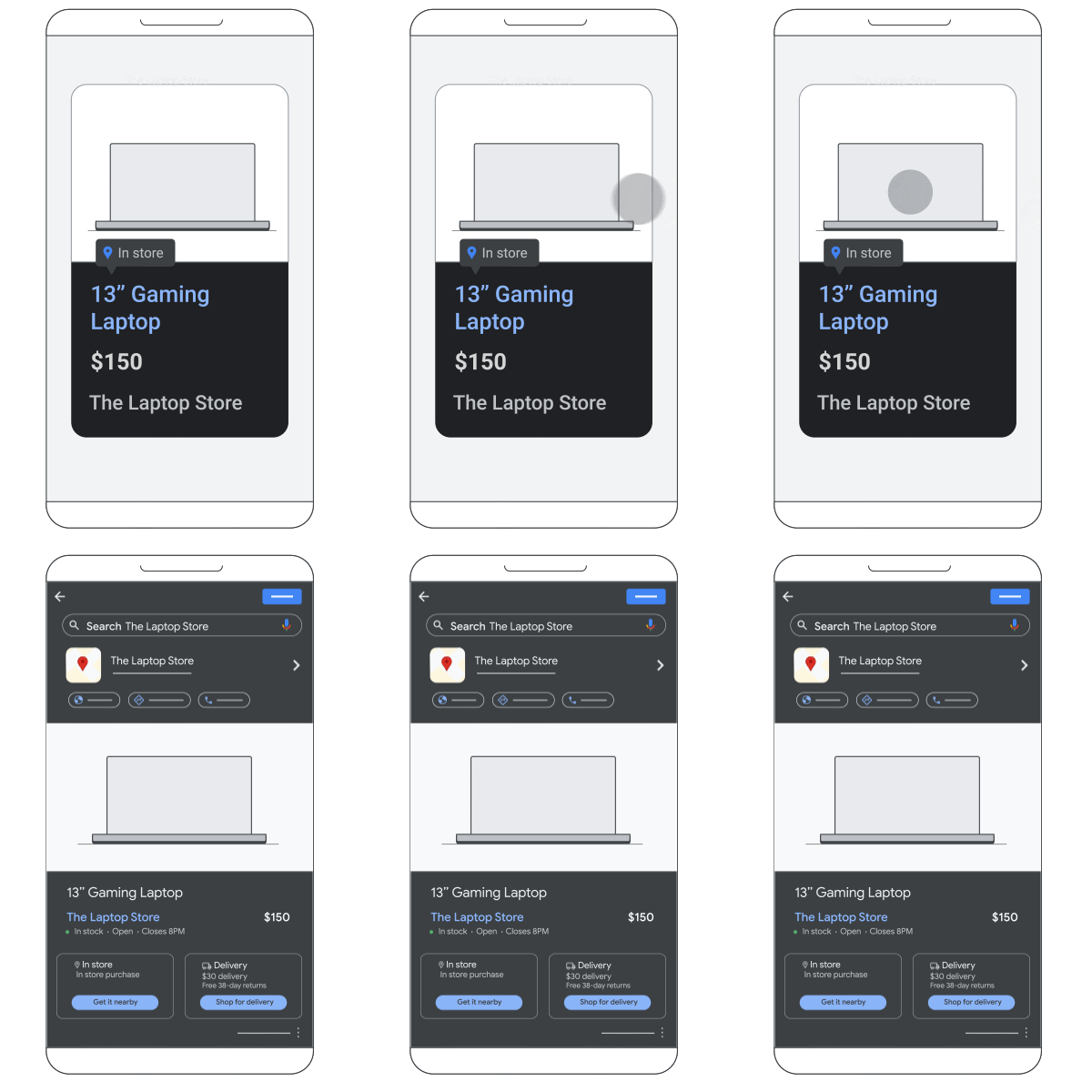
Local Inventory Ads (LIAs) on Google can significantly enhance conversion rates for businesses with physical store locations. This approach not only encourages visits to physical stores but also improves the shopping experience by keeping customers informed about the availability of products in their vicinity.
Here's how they can help:
- Real-time stock information: LIAs display real-time information about product availability at nearby physical stores. When potential customers see that a product they are interested in is available locally, it can encourage them to visit the store, increasing the likelihood of a purchase.
- Convenience and immediate fulfilment: Customers often prefer to buy products they can pick up immediately, especially if they need the item urgently or want to avoid shipping costs. LIAs help meet this need by showing which nearby stores have the product in stock, making it easy for customers to find and buy the item right away.
Stock monitoring tools and reporting
Whilst there are key automation and strategic tactics you can apply to support product availability, there are also readily available reporting tools to ensure issues are raised before conversion rate declines further.
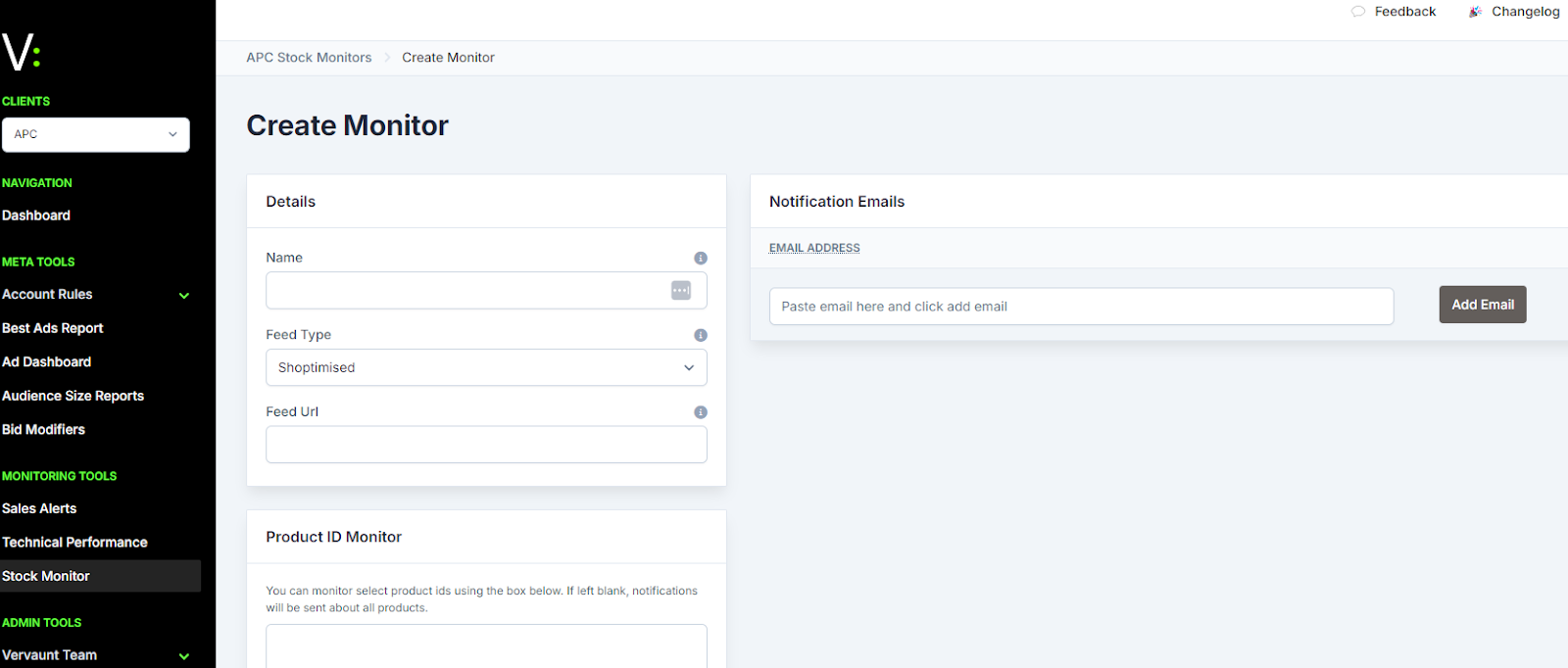
Our internal Abacus tool monitors product IDs across feeds which immediately flag when products go out of stock so checks can be made across both search and social activity.
Supermetrics and online stock
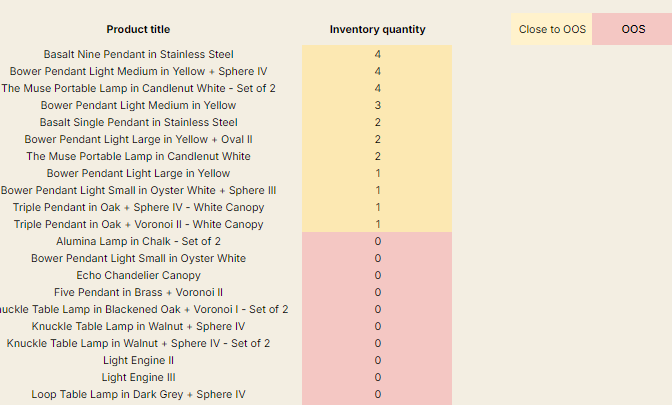
Pulling live stock count from your online store into reporting can ensure live activity does not direct to unavailable PLPs. This is important to consider because whilst Google and Meta feeds automatically make out-of-stock products unavailable from the feed - this will not have an effect on Google search, display or Meta activity you have running for certain products. Pairing a product stock tracker with accurate naming conventions ensures this process is seamless for account managers.
‘Notify when back in stock’ tools
"Notify when back in stock" tools can significantly enhance conversion rates in eCommerce. Despite mostly not directly resulting in an instant CVR uplift, the call-to-action change for signing up may often prove more valuable as this supports longer term retention strategies.
Here are some key benefits of enabling this process:
- Reduced cart abandonment: Customers often abandon their carts when items are out of stock. Allowing them to sign up for notifications reduces frustration and increases the chances they’ll complete the purchase once the item is restocked.
- Enhanced customer experience: Customers value the convenience of being notified. This positive experience can boost brand loyalty and encourage repeat purchases.
- Boosted sales: Notifying customers that a desired product is back in stock can result in quick sales, often at a higher conversion rate than other marketing methods since the customer has already shown interest.
- Personalisation opportunities: Integrating these tools with email marketing platforms allows for personalised follow-ups and recommendations based on customer preferences and behaviours.
The best tools & platforms we’ve come across for this are from Klaviyo, Swym and Backinstock.org. Atoms.com seems to have this process nailed with the combination of having sign up features for OOS products, whilst also pulling in suggested products underneath.

Final thoughts
Effective stock monitoring and management are crucial for optimising online conversion rates. Key takeaways here include:
- Accurate product availability information helps prevent customer frustration and lost sales, while addressing sizing discrepancies ensures a smoother shopping experience.
- Implementing omnichannel strategies and utilising ERP systems for real-time inventory visibility can significantly enhance customer satisfaction and drive conversions.
- Paid media efforts, such as dynamic ads and Local Inventory Ads (LIAs), play a vital role in communicating stock levels and promoting available products, both online and offline.
- By leveraging advanced tools and custom feeds, you can optimise paid media campaigns and improve user journey.
- Additionally, reporting tools help monitor stock levels and ensure that marketing efforts are aligned with product availability.
Ultimately, by addressing these common challenges strategically, businesses can maintain or even increase their online conversion rates, driving sustainable growth in the competitive digital marketing landscape.
Subscribe to our newsletter
Our monthly newsletter is designed to be the most actionable and inspiring eCommerce newsletter in existence, combining examples of eCommerce innovation, benchmarking insights from the industry, and the latest news and eCommerce trends.
By signing up you are agreeing to our privacy policy.