Published: Feb 2025
Type: Paid Media
Category: Paid Search, Paid Social

An Overview of Retention Strategies using Paid Media - Including VIP, Lapsed and Sale Customers
Retention is often overlooked when it comes to paid media strategies. New customer acquisition is typically the main focus as brands prioritise growth through paid channels - shaping how campaigns are structured, audiences are defined, and creative is developed. While acquisition is essential for scaling, this focus on growth often means retention strategies are missed, with other channels like email marketing being the sole focus for retention and loyalty.
As a result, many advertisers on paid channels simplify their retention efforts by targeting ‘all-time purchasers’ with generic creative. Whilst this approach does leverage the high intent of existing customers and usually delivers a strong ROI, this also fails to delve deeper into the opportunity for more tailored, sophisticated retention strategies for maximum success.
Below, we’ll dive into how retention can be broken down into specific stages, how customer data can be leveraged more effectively, and how these insights can be integrated into a more refined paid media strategy.
The stages of customer retention
When we refer to 'new customer acquisition,’ we often visualise it through the funnel - helping us understand the customer journey, refine messaging, and allocate budget effectively. But once a customer makes a purchase, this level of segmentation is often lost, making it harder to pinpoint the best strategies for retention.
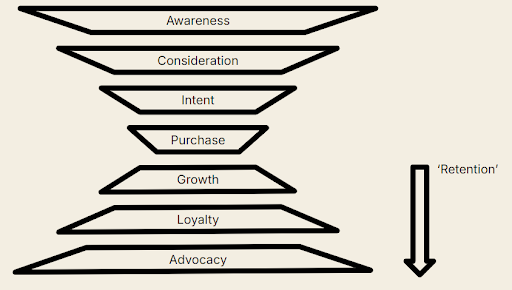
We can break down the retention journey into three stages:
- Growth - Drive repurchases through cross-selling, upselling or bundling. This is a key stage in the retention process, showcasing the product range to drive purchase of other product types, or up-sell to improve average order value and therefore long-term customer lifetime value.
- Loyalty - Drive engagement with loyalty programs with exclusivity, points, and other incentives. Creating ties and investments with your customers is a way of driving repurchase indirectly. The aim here is to foster a long-term brand experience, going beyond one-off purchases and moving towards a relationship.
- Advocacy - Here we are aiming to convert our most loyal customers into brand advocates. This is possible through referrals in exchange for rewards and points. This functions not only to reward your VIP customers, making them feel valued, but also acts as efficient new customer acquisition.
Without segmenting the retention pathway as seen above, we are unable to meet customers with the right messaging at the right time. Adopting a segmented approach allows us to tailor audience targeting and creative, to effectively contribute to retaining customers with paid marketing channels.
How to segment your customer database
Your customer database is your most valuable resource; however, this is underutilised by most retailers and advertisers. A VIP customer (those with high AOV and purchase frequency) will not behave the same or respond to the same messaging as a lapsed customer.
Therefore, in order to show the right message to the right users, tailor budgets, and bids on campaigns, we must segment this database.
Depending on your CRM platform, this can be achieved in slightly different ways. For example, if someone has ordered a product in a given time period, made an order above a certain value or ordered certain products, or purchased at a certain frequency.
Below are several examples of key cohorts to define and consider including in your paid media strategy:
High value or ‘VIP’ customers
VIP customers are customers that must be nurtured, rewarded, and retained as a priority. This cohort would benefit best from loyalty and rewards-style messaging, and potentially driving advocacy such as refer a friend programs.
This cohort can be defined in several ways. Below are the most common:
Above Average Order Value (AOV)
Above Average Purchase Frequency
Lapsed customers
When a customer does not make a purchase in the period of time that you define as a typical customer lifetime value, they are said to be lapsed. There are considerations here, as depending on the product (e.g. backpacks, which have long lifetime), a customer could take a long time to become lapsed.
There is a consensus now that customers who have become ‘lapsed’ should be treated as new, targeting them with storytelling, branded content, to re-educate and create affinities with the brand and its’ values.
Sale customers
We must be critical about sale customers, and whether they should be treated as truly ‘existing customers’.
The reason being, someone entering the business at a markdown price, and the likelihood of them buying again due to your value proposition, quality of product, or brand mission is quite low.
Therefore, we should treat sale customers as those that need further education and convincing, to purchase in a full-price environment. These customers would benefit from branded, educational content that conveys the value of the business outside of discounting, along the same logic as lapsed customers.
We can tag customers as those who purchased at a markdown, or create a segment of customers who purchased during certain periods, i.e., when you know you were in sale.
Cross-selling cohorts
Brands will often see certain products frequently bought together. Likewise, certain products act as a customers’ entry to a brand, while others are most frequently bought as a second purchase. Leveraging these insights allows us to take advantage of naturally occurring purchase behaviour.
Triple Whale has a useful report called the ‘Basket Data’ report, which details frequently purchased together items. For example, dresses and shoes.
Tailoring creative with messaging angles such as ‘if you love our dresses, try our shoes’ drives users to take action.
In most CRM platforms, we can create a segment to include customers who have purchased a specific product type in a given time period but not another.
Up-selling cohorts
Up-selling (and likewise cross-selling) aims to improve customer lifetime value. While cross-selling broadly tries to increase purchase frequency, up-selling aims to drive up average order value.
Bundling, or limiting customers’ visibility to higher AOV products is a good place to start.
Examples of great retention creative - across growth, loyalty and advocacy
The following table summarises the different stages of the retention funnel, and the audiences or initiatives we can leverage.
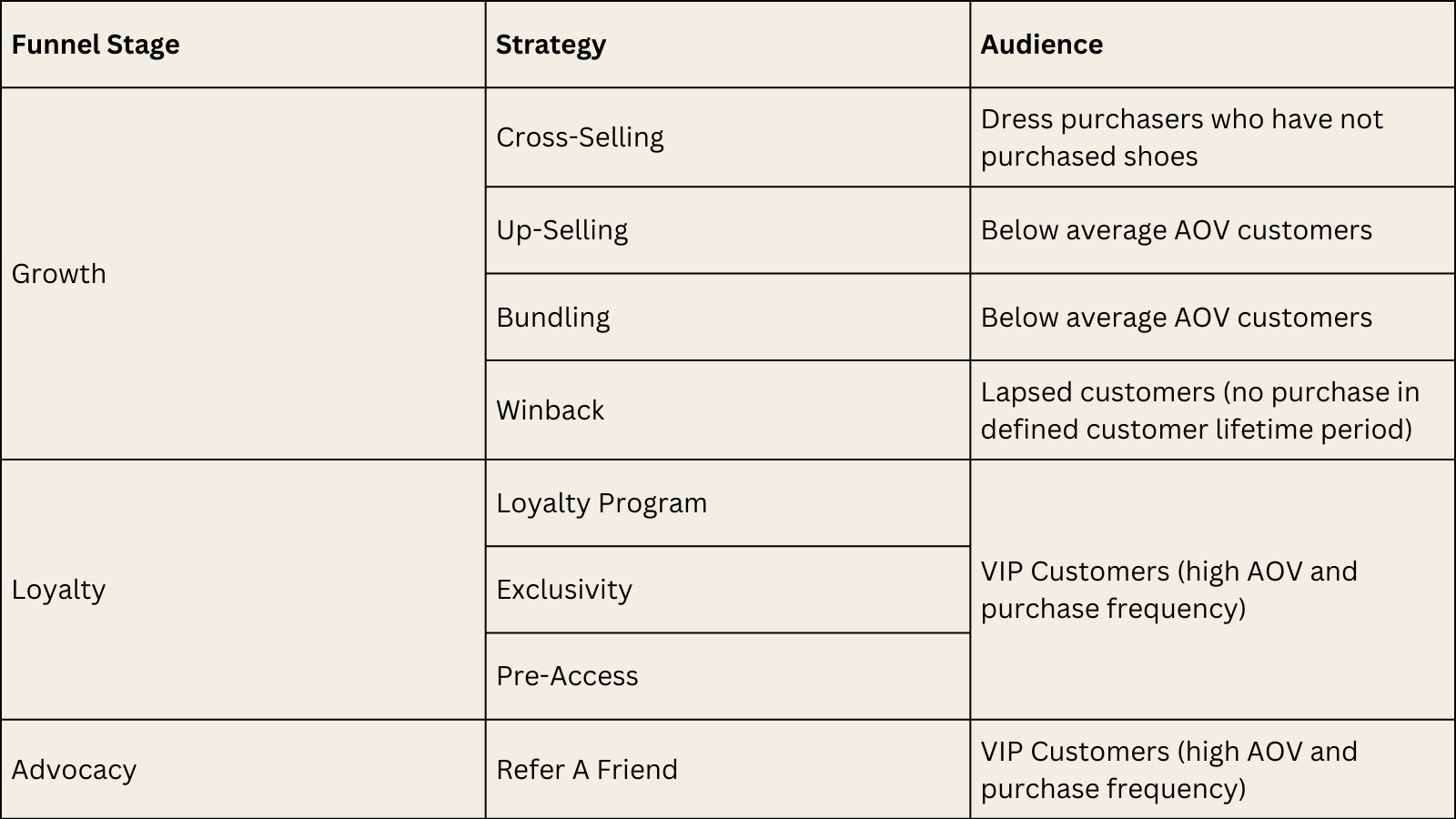
Below are some visual examples that show how these strategies and audience segments can be effectively applied at each stage of the retention funnel in your paid media campaigns.
Growth
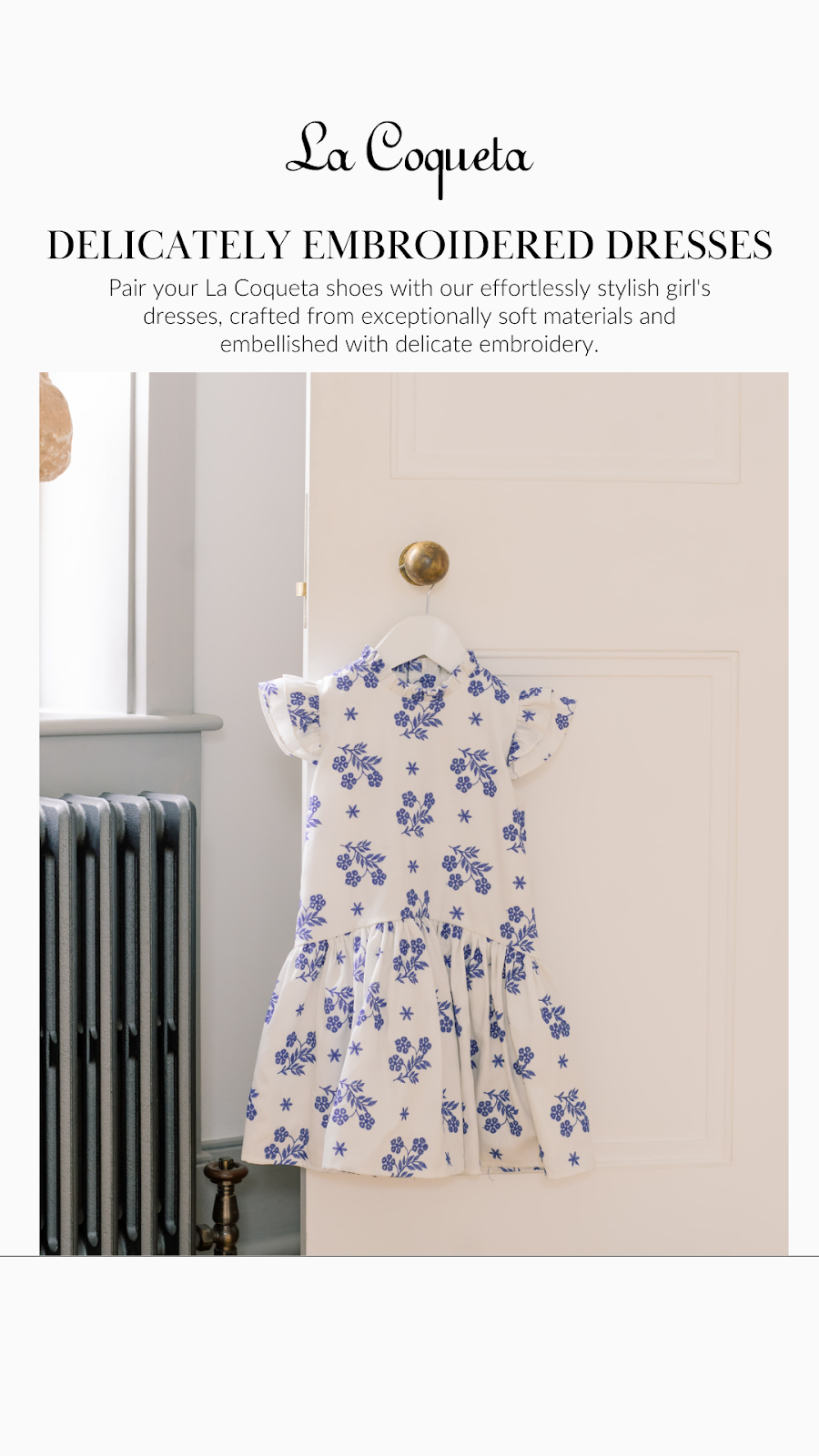
La Coqueta Kids
Combining details of product features and recommendations of how to pair dresses and shoes, this shows a clean example of cross-selling dresses to users who previously purchased shoes.
Pangaia
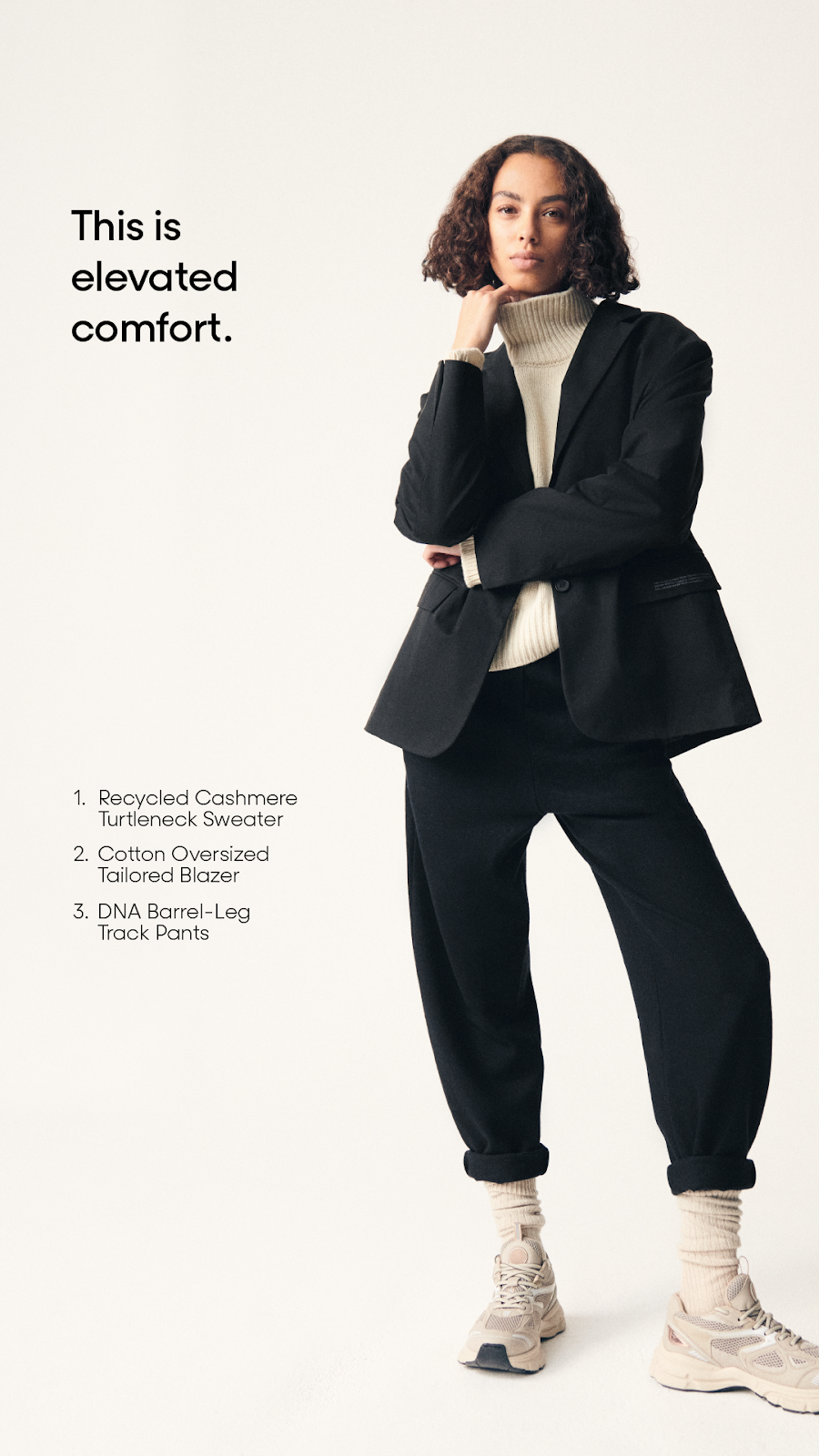
Outfit inspiration and style guides are a subtle way to drive higher AOV and basket sizes. Here Pangaia style three products together, naming them clearly so the user can easily find them. A step further would be to create a bundle SKU to allow purchase of these products with even greater ease.
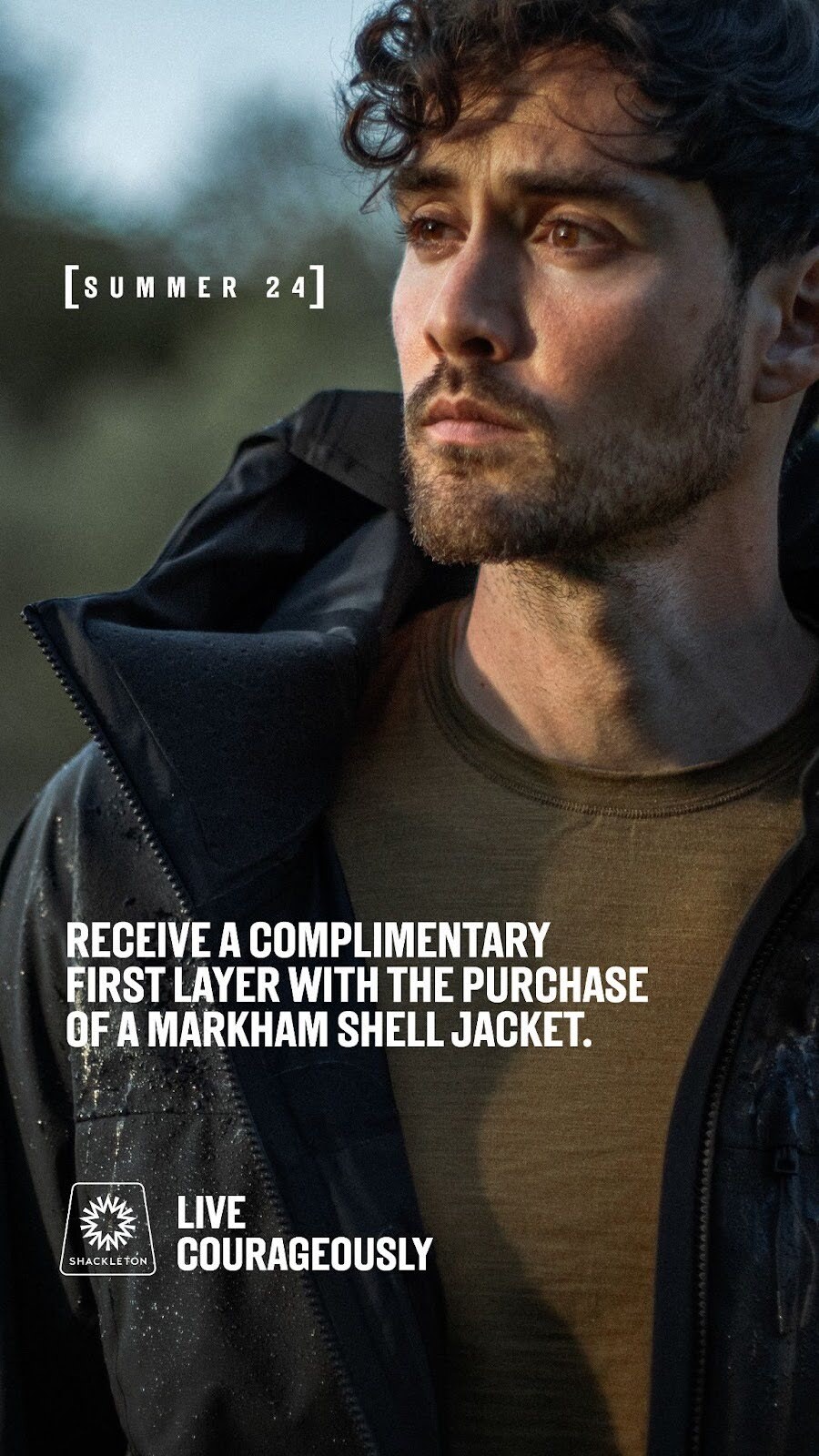
Shackleton
Shackleton demonstrate how leveraging 'gift with purchase' or 'complimentary product with purchase' drives a user to purchase higher price point products. The incentive is clear, with a user feeling they are getting a strong deal, and justifying stretching to higher AOV baskets.
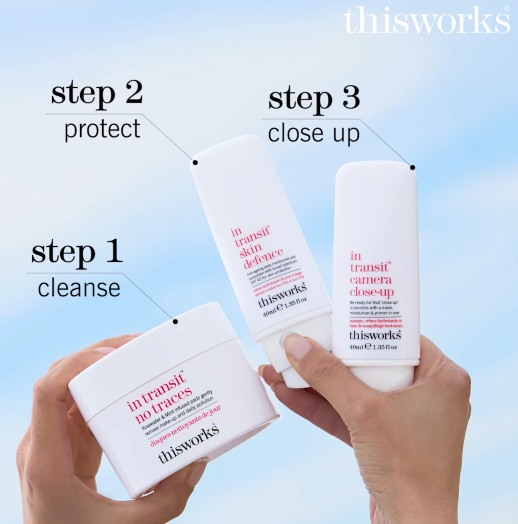
thisworks
Up-selling can be subtle. Beauty brand This Works approaches this by detailing how and why to use skin care kits with multiple stages. This is a less explicit approach to up-selling, focusing more on value proposition of products.
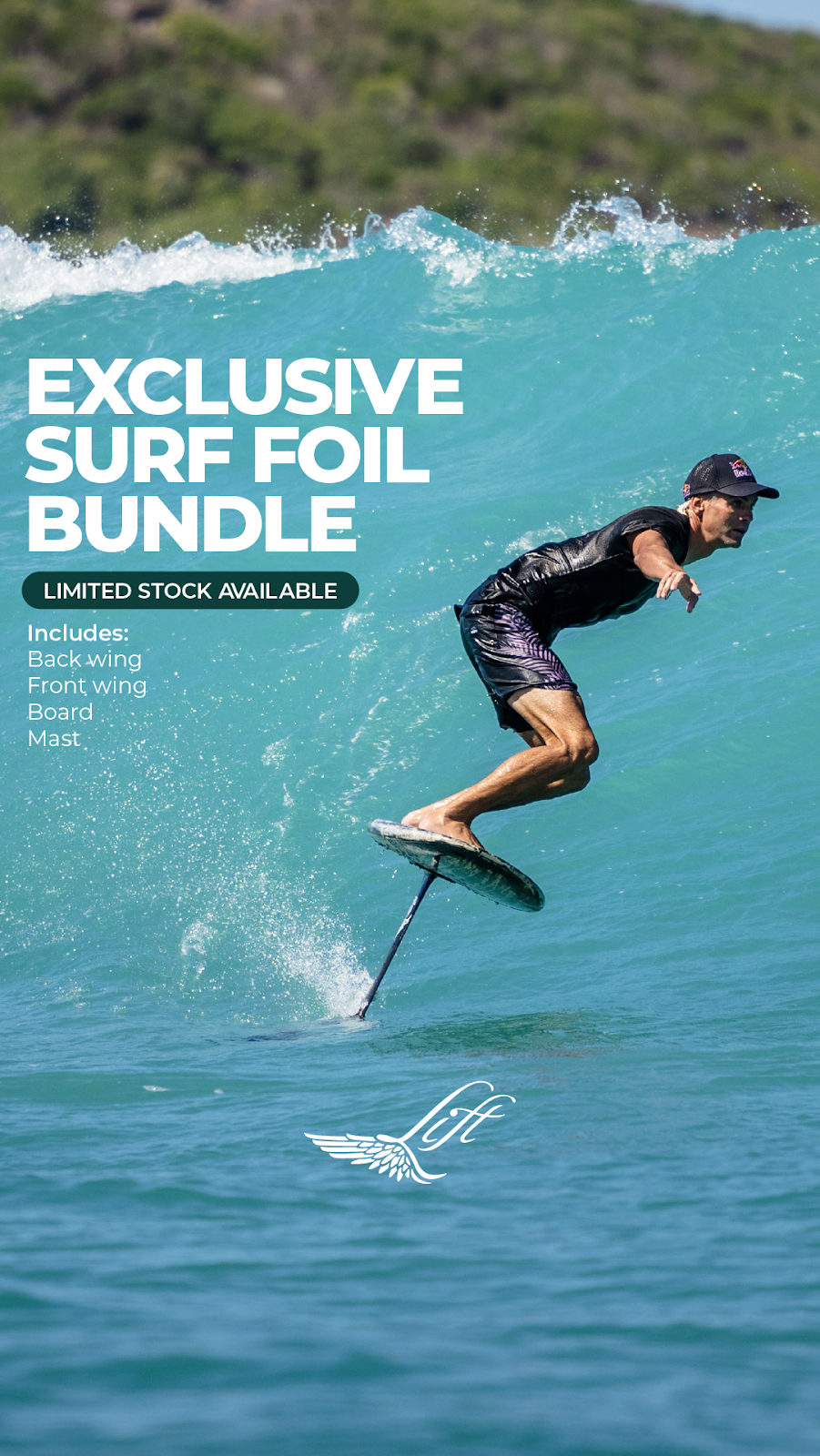
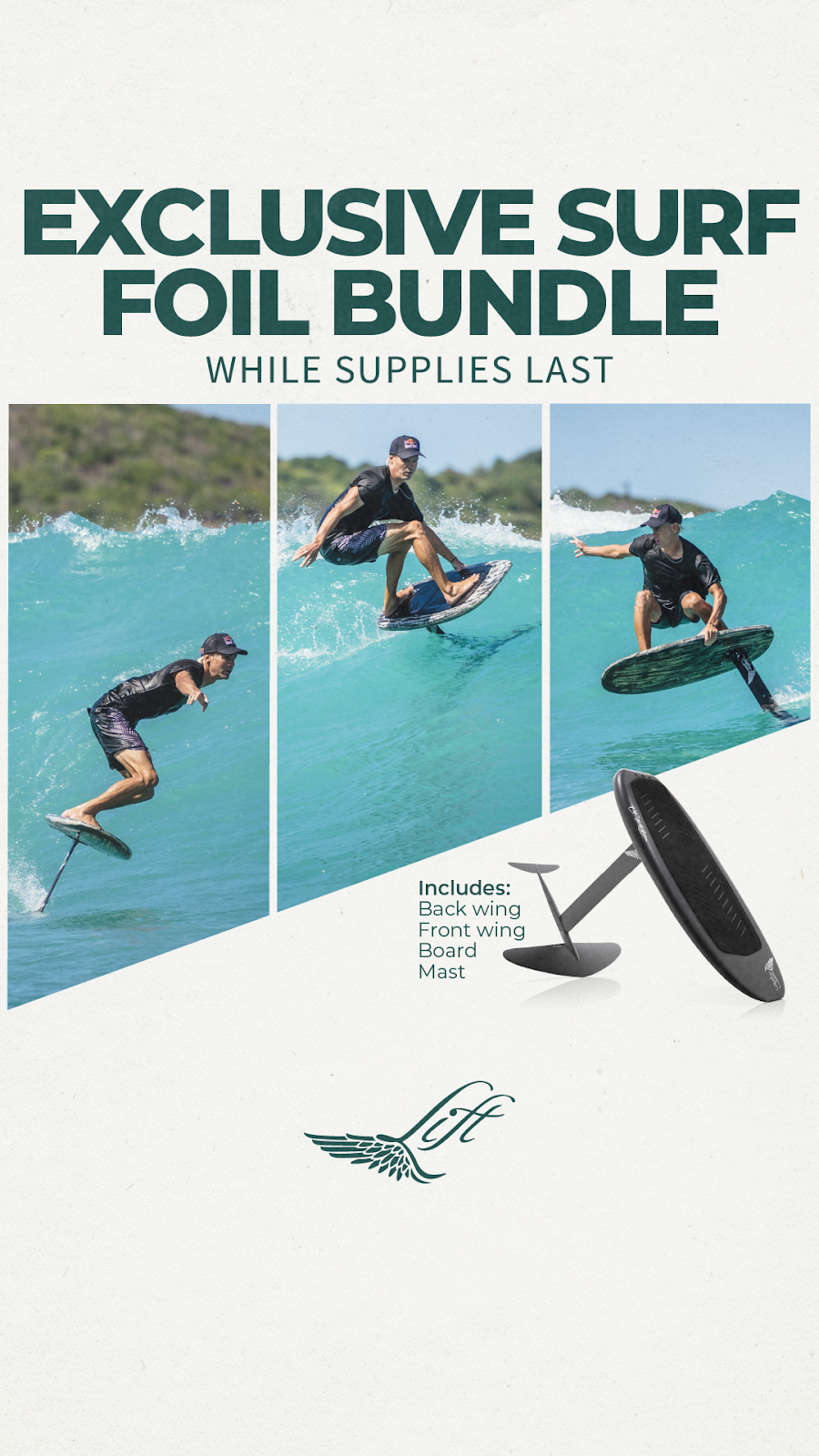
Lift Foils
Lift Foils use a more traditional approach to driving higher AOV and up-selling, through monetary savings when purchasing multiple products. Aside from striking imagery, the overlay text is bold and clearly communicates the offer, making this very effective.
Loyalty
La Coqueta Kids
La Coqueta Kids loyalty and rewards creative are clear and simple. Three examples highlight that the loyalty program exists, it provides exclusive benefits and explains how points can be earned, all while featuring top performing and newly launched products.



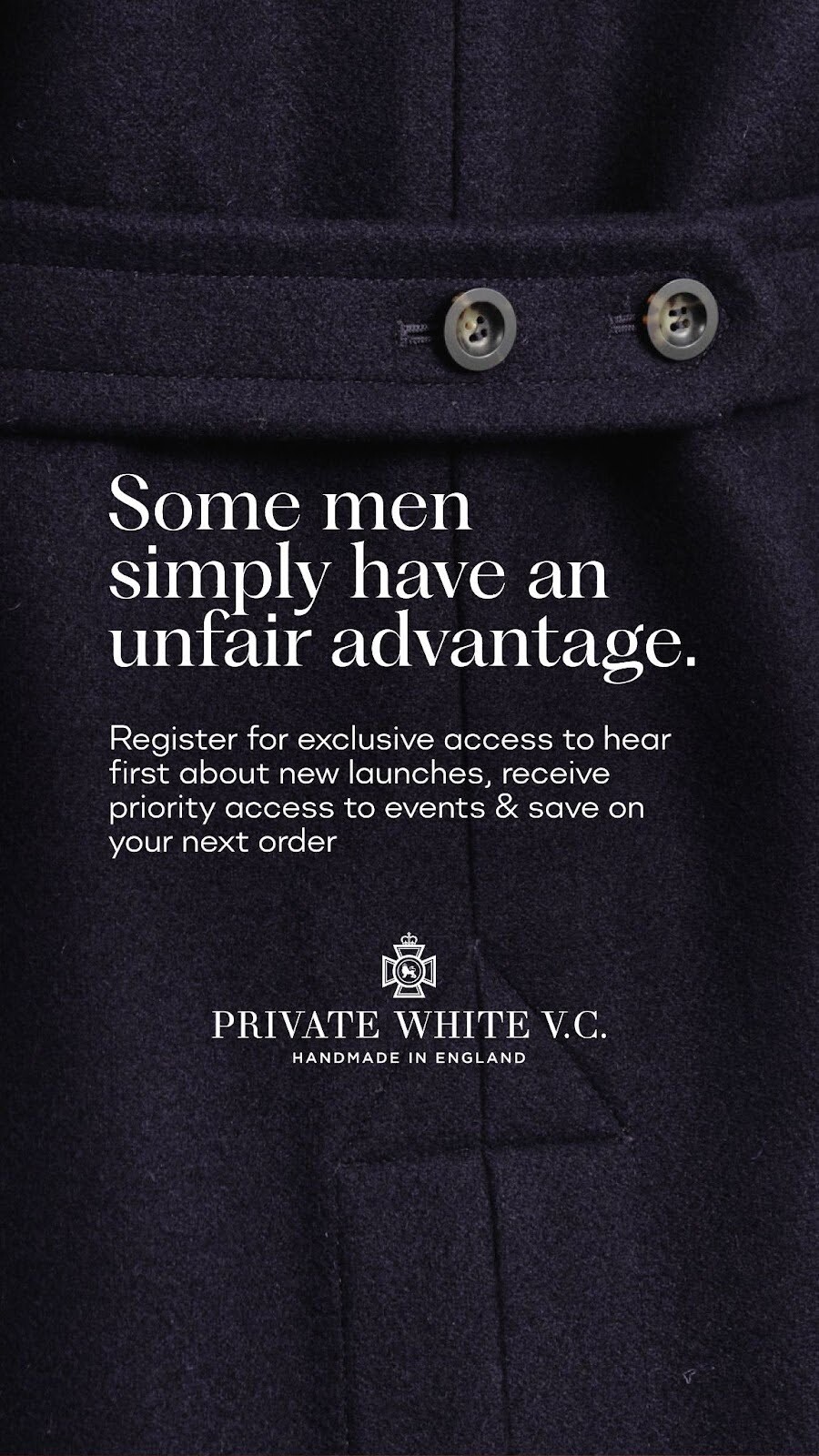
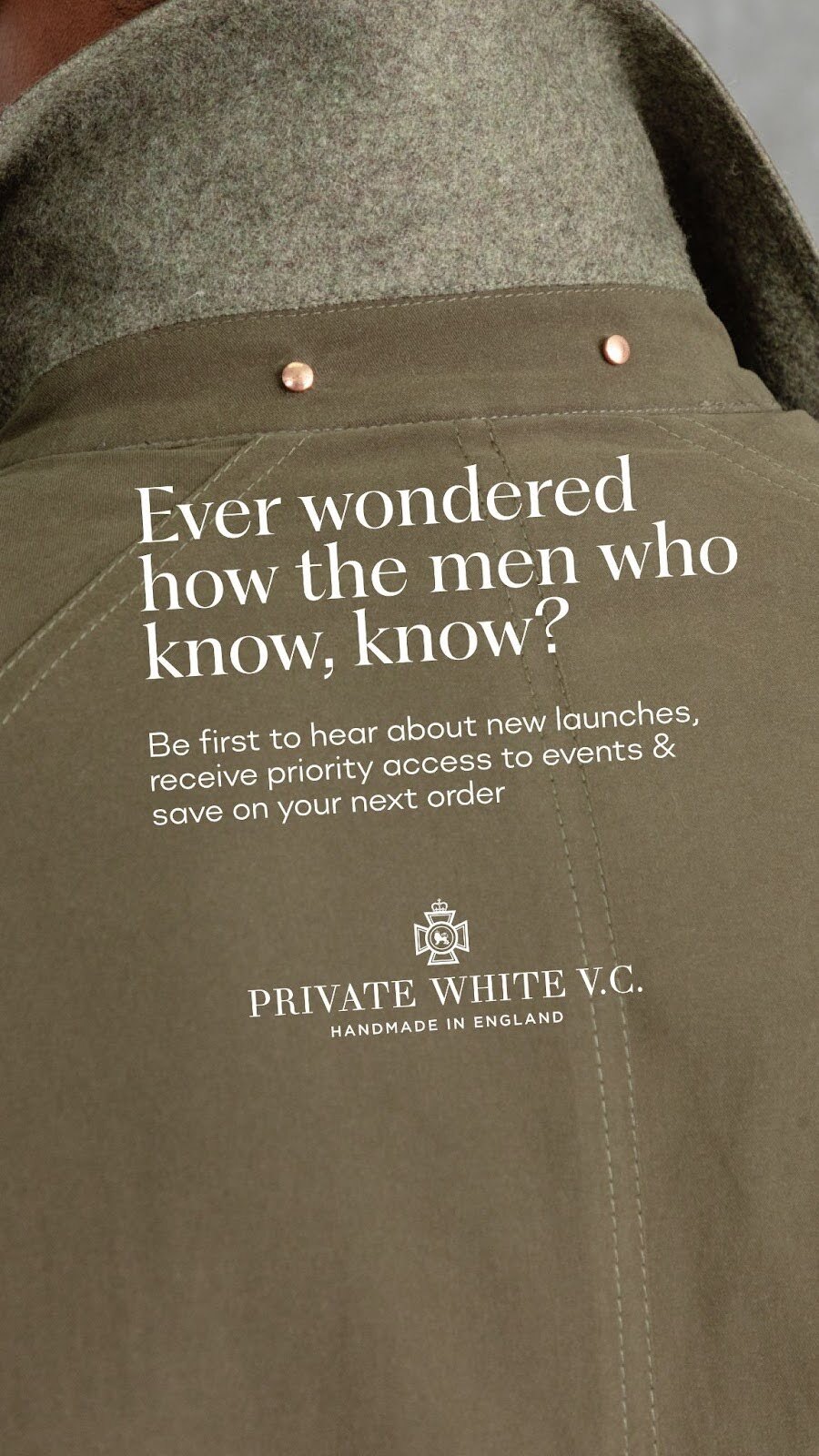
Private White V.C.
A sophisticated take on exclusivity. Private White V.C. create the sense of community and being part of something special, with signing up unlocking these benefits, which are unique to members.
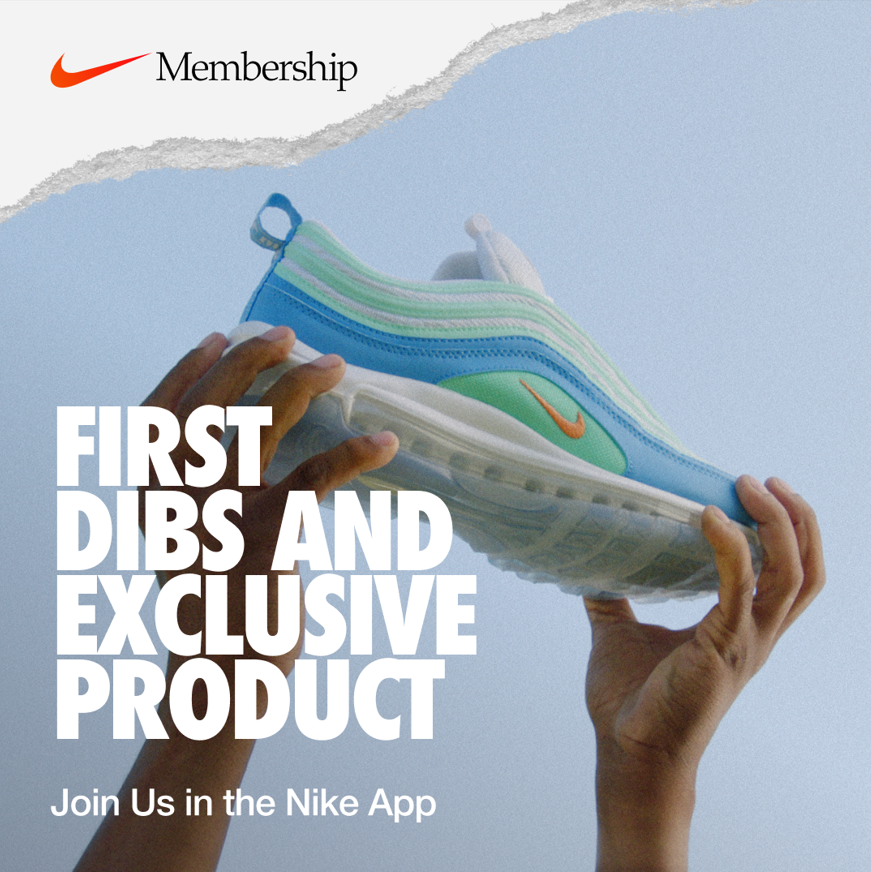
Nike & Champion
Nike and Champion both effectively leverage pre-access to sale and product drops to drive membership sign ups and engagement. One aspect that is particularly good is a clear call to action, 'join us in the Nike app' and 'join our club'.

Advocacy
PRESS
Advocacy through referrals. PRESS highlight their refer a friend scheme clearly and succinctly, while communicating the incentive for a user to participate (20% off).

Lapsed
La Coqueta Kids
'Here's What You Have Missed'. La Coqueta Kids create the sense of FOMO and the chance to get back in the loop. Lapsed customers are being reminded of what La Coqueta Kids have to offer through newness.

Key metrics to track for retention success
Measuring success and being critical of activity is almost as important as the activity itself. There are three core metrics one should monitor to evaluate whether retention campaigns have been successful in both the short and long term.
1) Returning Customer Rate
The percentage of customers that have placed more than one order from your store, out of all customers that placed an order, within the selected date range.
2) Returning Customer AOV
In the retention funnel, one of the key aspects of increasing customer lifetime value is through cross-selling and upselling. AOV will fluctuate a lot based on product mix and promotions, however, comparing period on period performance will also help to evaluate whether this is increasing over time. AOV during sale will of course decrease due to discounting, so comparison of full price periods is preferable.
3) Customer Lifetime Value
This is a longer term metric that needs to be measured over periods of typically 3, 6, 9 or 12 months. After acquiring a customer, in the months that follow, their value will increase through repeat purchases. One can define this over the aforementioned timescales, to critically measure whether acquisition of a customer has resulted in their increased value over time. Measuring this therefore allows us to evaluate the impact of marketing efforts in driving up customer lifetime value, through repeat purchases, increasing AOV and more.
If you would like to read more about CLTV, see here for more information on how to calculate, monitor, and improve this in the short and long term.
Final thoughts
There is often underutilised insight when it comes to retention strategy in paid media. It is all too easy to take the strong performance of default campaigns for granted in retention strategies, and opt for a simplified ‘catch all approach’ to audience targeting and creative approach. By delving into the detail of retention, breaking this out into a funnel structure, segmenting our customer database effectively and tailoring creative, we are able to contribute in a far more meaningful way to top line retention strategies.
Key takeaways:
Many focus on customer acquisition, leaving retention strategies underutilised. Retention shouldn’t be a simple approach, but a refined one that targets specific segments.
Retention can be broken into three stages: 1) Growth: Drive repurchases through cross-selling, upselling, or bundling products. 2) Loyalty: Engage customers with loyalty programs, exclusivity, and incentives to foster long-term relationships. And 3) Advocacy: Convert loyal customers into brand advocates through referral programs.
Retailers can make the most of their customer databases by segmenting them based on behaviours (e.g., VIPs, lapsed customers, or frequent buyers). This segmentation allows for tailored messaging and budget allocation.
Focus on specific cohorts such VIPs for loyalty and advocacy, cross-selling or upselling to increase AOV, and winback campaigns for lapsed customers.
Track returning customer rates, AOV, and CLTV to evaluate the effectiveness of your retention strategies.
Reward programs should focus on community-building, exclusive perks, and personalised experiences to enhance loyalty.
By using these insights, brands can not only improve retention but also build long-term, more profitable customer relationships.
Subscribe to our newsletter
Our monthly newsletter is designed to be the most actionable and inspiring eCommerce newsletter in existence, combining examples of eCommerce innovation, benchmarking insights from the industry, and the latest news and eCommerce trends.
By signing up you are agreeing to our privacy policy.